
PRINT • BUILD • FINISH
Make every layer work for your label.
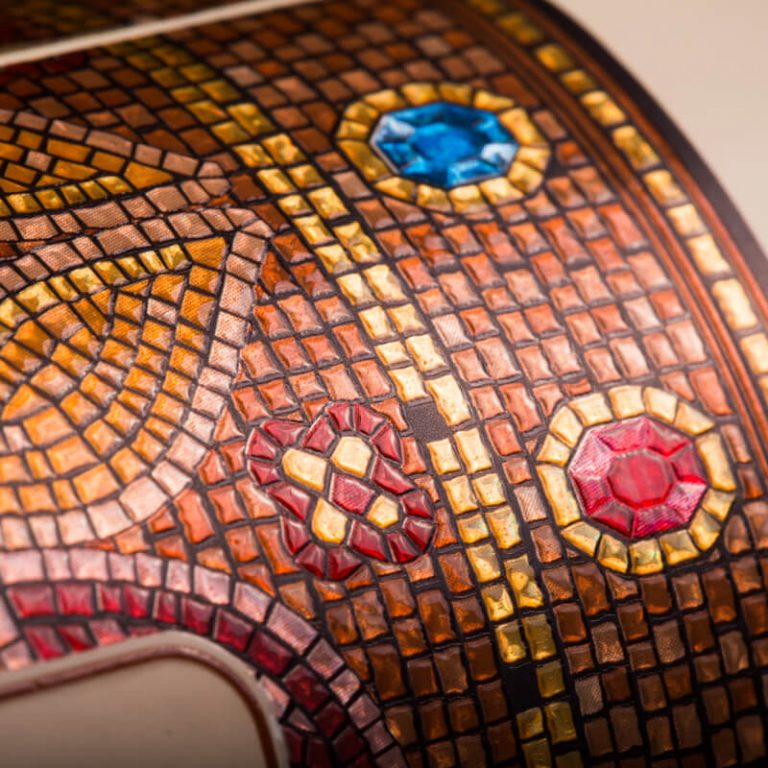
Bring together printed graphics, multilayer constructions and decorative finishes in one custom self-adhesive label. We help you select the materials, printed faces and finishing sequence for your design, container and quantity.
Explore our capabilities
Printing & two-sided graphics Multilayer & lamination Surface protection Foil & metallic effects Texture & special effects Functional details & data Die-cutting & delivery
01 / Printing & Two-Sided Graphics
Choose the printing route and specify where each image must be visible.
Flexo, Digital & Screen Printing
Flexographic, digital, PS plate and screen printing support different designs and run lengths. Options include process colour, spot colours, opaque white and metallic inks. Digital printing supports changing artwork and variable information; screen printing adds opacity or a thicker deposit.
Double-Sided, Adhesive & Liner Printing
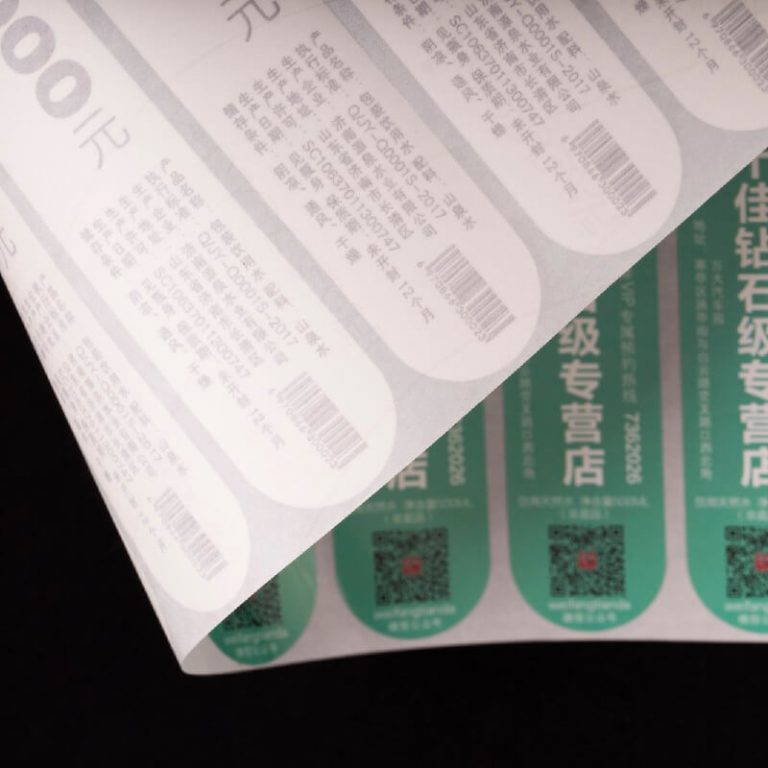
Print different graphics on the front and back of a label. Adhesive-side printing places information on the adhesive face; liner printing places it on the release backing. Mark the intended reading side for every element, especially on transparent bottles.
Reverse Printing on Clear Film
Print graphics for viewing through a transparent film. This can place the image inside a laminated construction. Confirm the viewing direction, white or blocking layers, and any required clear windows.
White Ink & Colour Separation
Use white ink to control opacity on transparent or metallic materials. Identify clear areas, spot colours and metallic-ink areas separately in the artwork. Metallic ink, foil and metallic face stock create different results.
Show Us Both Reading Views
Send a separate artwork panel for each printed face and indicate what customers see before and after application. For through-bottle graphics, include the bottle colour and whether its contents are transparent.
02 / Multilayer & Printed-Layer Lamination
Combine separately printed layers, create extra information panels or design an opening and reclosing structure.
Print Separately, Then Combine
Print the required webs or material layers, then register and laminate them into the finished label. Layers can carry different graphics or serve different functions. Specify the material and printed side of each layer; a multilayer laminate does not automatically open or reseal.
Delamination & Relamination
Separate the face material from its liner to access the adhesive side, then recombine the construction after the required printing or treatment. This is a production route for selected back-printed and functional label designs.
Peel & Reveal / Peel & Reseal
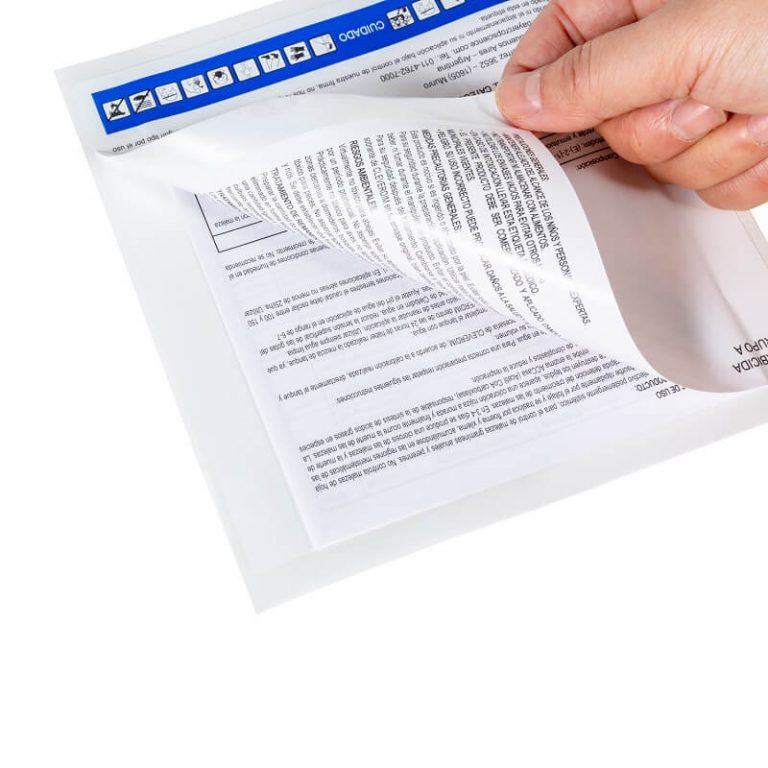
A liftable top layer reveals instructions, ingredients, promotional information or additional languages. Choose whether it detaches or closes again. Include the opening edge, hinge area and expected use when requesting a sample.
Booklet & Extended Content Labels
Combine multi-page or folded information with a self-adhesive base label. Useful when text exceeds a single printed face. Confirm the closed size, page layout, container curvature and application method before finalising the structure.
Define the Structure Before Artwork Approval
Provide the closed dimensions, layer or page count, artwork for each face, opening direction and resealing requirement. We agree the construction and sample checks before production. Surface overlamination, permanent multilayer bonding and peel-and-reseal are different specifications.
03 / Surface Protection & Gloss
Select the surface appearance alongside handling, exposure and any printing added after delivery.
Gloss, Matt & Specialty Lamination
Gloss and matt films change the appearance of the printed label. Soft-touch and anti-scuff film options offer additional surface characteristics. Select the complete film and adhesive combination for the package and expected handling. Compare laminated labels →
Full-Coat & Spot Varnish
Gloss, matt and soft-touch coatings can cover the whole surface or selected areas. Spot gloss creates contrast with a quieter background. Specify any batch-code, date or thermal-transfer printing so its area and coating compatibility can be checked.
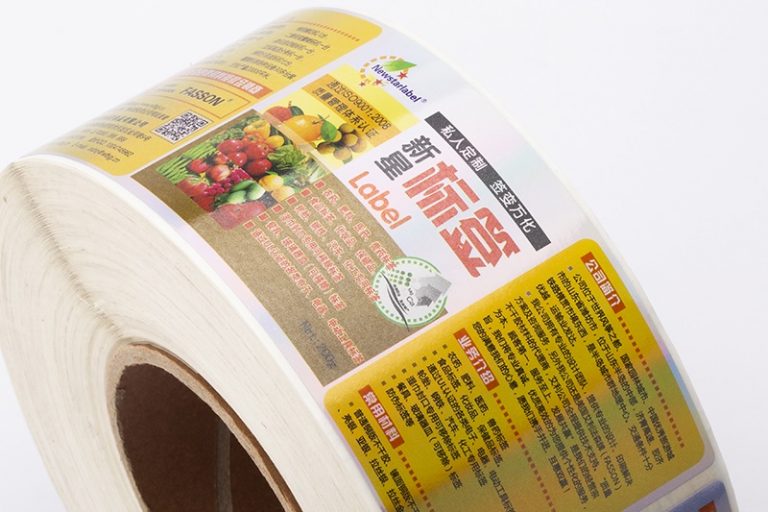
04 / Foil & Metallic Decoration
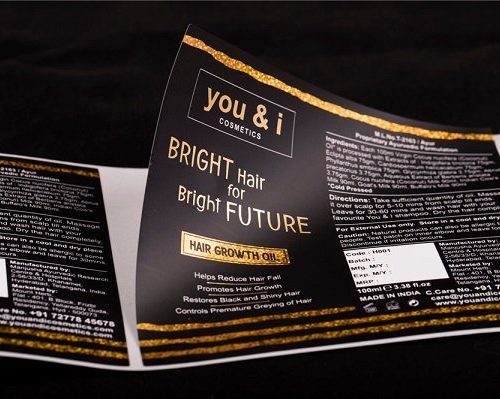
Use reflective details to emphasise a brand name, border or decorative element.
Hot Foil & Multi-Colour Foil
Gold, silver, coloured and decorative foils can highlight selected artwork. Multi-colour foil and foil combined with embossing add further detail. Review fine lines, registration and the actual face material. Explore hot foil labels →
Cold Foil & Holographic Effects
Cold transfer is another route to metallic decoration. Holographic foils and face materials offer patterned optical effects. We match the route to the design and stock; decorative holographic appearance alone does not authenticate a product. Compare metallic face stocks →
05 / Relief, Texture & Special Effects
Combine visual contrast with tactile detail, using the process that matches the material and design.
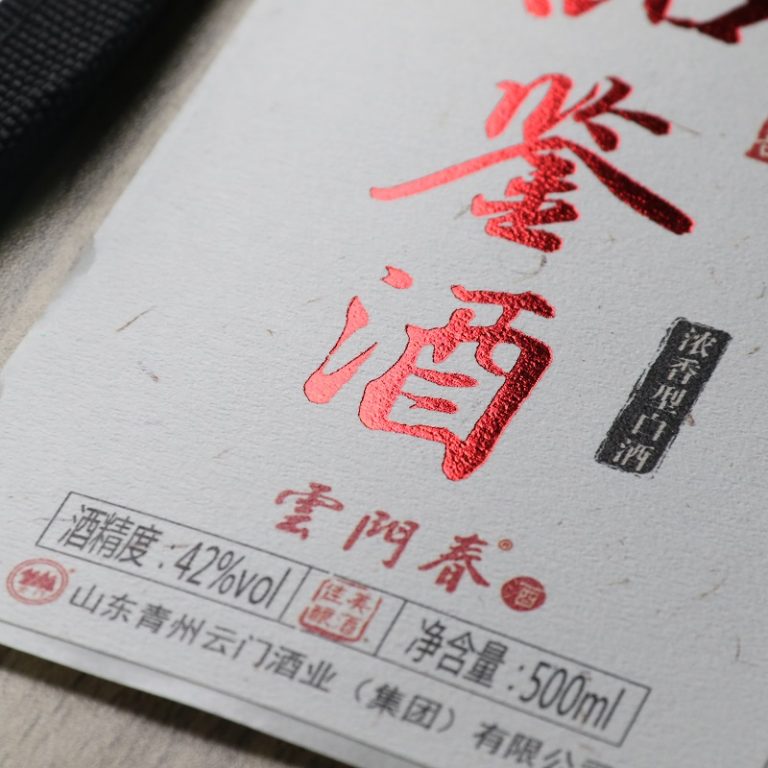
Embossing, Debossing & Texture
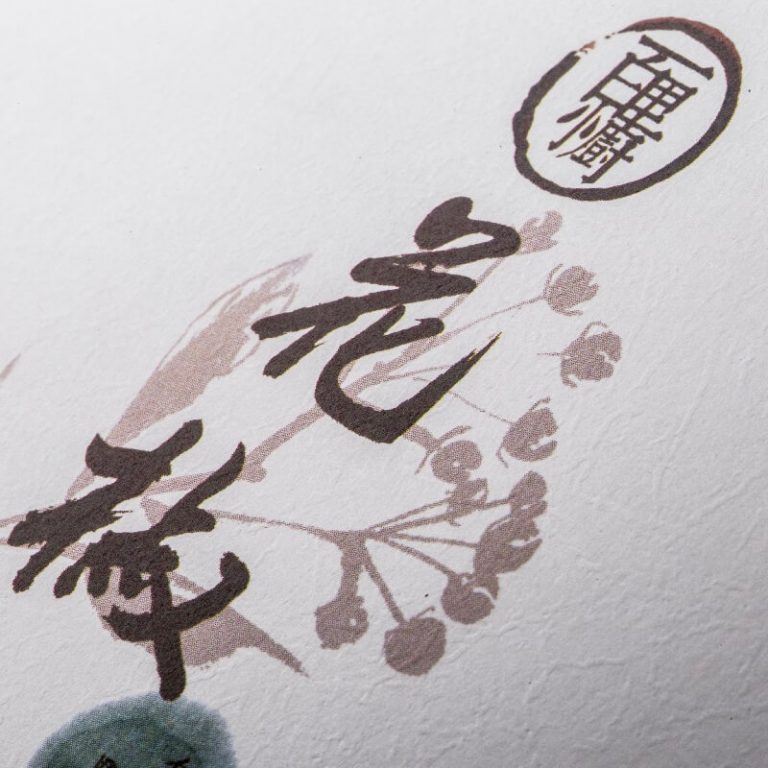
Embossing raises the material; debossing presses a detail into it. Patterned embossing adds texture, while foil can be combined with relief. Tooling, stock and container curvature influence the result. Textured paper may already carry a texture before printing.
Raised Varnish & Sand Effects
Raised or tactile varnish adds a thicker surface layer without mechanically forming the face material. Sand-effect coatings add granular texture. These are distinct from embossing and from an ordinary flat spot varnish.
Drip-Off / Reticulation
Compatible coating systems create contrasting gloss, matt or textured areas. Mark the effect regions separately and use a physical sample to agree the required contrast and texture.
Pearlescent, Glitter & Reactive Effects
Specialty inks and coatings include pearl, glitter, colour-changing and glow-in-the-dark effects. Specify the desired appearance and, for reactive effects, the trigger and viewing conditions. Sample approval sets the target for the chosen construction.
Choose by the Result You Want
For a raised brand name, compare mechanically embossed stock with a raised coating. For a metallic highlight, compare foil with metallic ink or face stock. A reference sample helps us reproduce the intended look and feel.
06 / Functional Details & Variable Data
Plan the opening behaviour, protected information and changing data as part of the label construction.
Adhesive Deadening & Opening Areas
Selective adhesive deadening creates non-tacky areas such as lift tabs. Release and resealing areas support peelable structures. Identify the permanent bonding areas and opening areas on a structure drawing.
Scratch-Off & Security Details
Scratch-off panels cover printed information until the user removes the coating. Combine with variable codes where needed. Additional options include UV-readable invisible ink and fine printed details; the complete authentication system is defined per project. Invisible ink printing →
Serial Numbers, Barcodes & QR Codes
Print changing codes, numbers, text or artwork. Supply the data format, sequence rules and required reading conditions. Agree code size, contrast and verification requirements before production.
Detachable Promotional Information
A removable printed layer or coupon can carry promotional text while the base remains on the pack. Confirm which layer is retained, which is removed and the required behaviour after opening.
07 / Die-Cutting & Finished Formats
Convert the approved construction into labels that fit the package and application equipment.
Shapes, Cut-Outs & Tear Lines
Custom outlines, selected cut-outs, local cuts and perforations support product shapes, openings and tear-off sections. Specify which layers are cut and where the liner must stay intact.
Slitting, Rewinding & Sheets
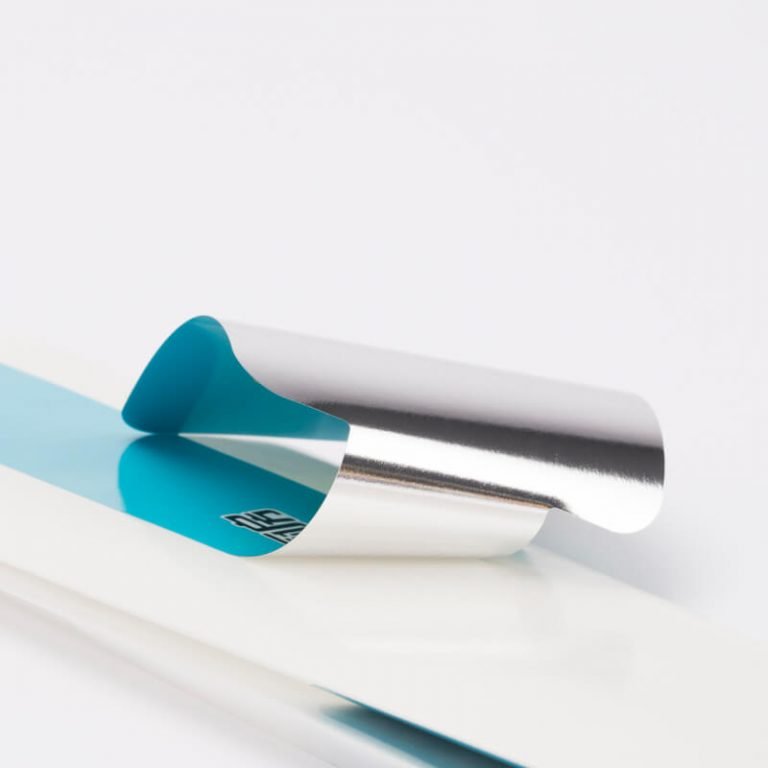
Supply rolls or sheets to the agreed specification. For rolls, confirm core diameter, maximum outside diameter, labels per roll, winding direction and sensing gaps. Prepare your roll specifications →
Confirm the Cut and Delivery Format
Send a dimensioned outline and show which layers are cut. For automatic application, confirm the roll specification and test dispensing on the intended equipment.
How Finishes Work Together
Examples from previous label specifications show how materials, print and decoration can be combined. The selected sequence depends on the construction.
Spirits Packaging
Gold-foil face material + printing + local sand-effect varnish + embossing. The metallic base, textured areas and formed detail each play a different role.
Walnut Oil Packaging
Synthetic BOPP + printing with gold ink + matt lamination + raised spot varnish. Gold ink is part of the print specification, separate from foil stamping.
Edible Oil Packaging
Silver metallized BOPP + printing + local drip-off effect. Metallic stock provides the base appearance; the coating adds local contrast.
Decorative Spirits Roll Labels
Specialty textured paper + double-sided printing + two-colour foil + embossing. Artwork is prepared separately for printed faces and finishing areas.
Production Behind the Finish
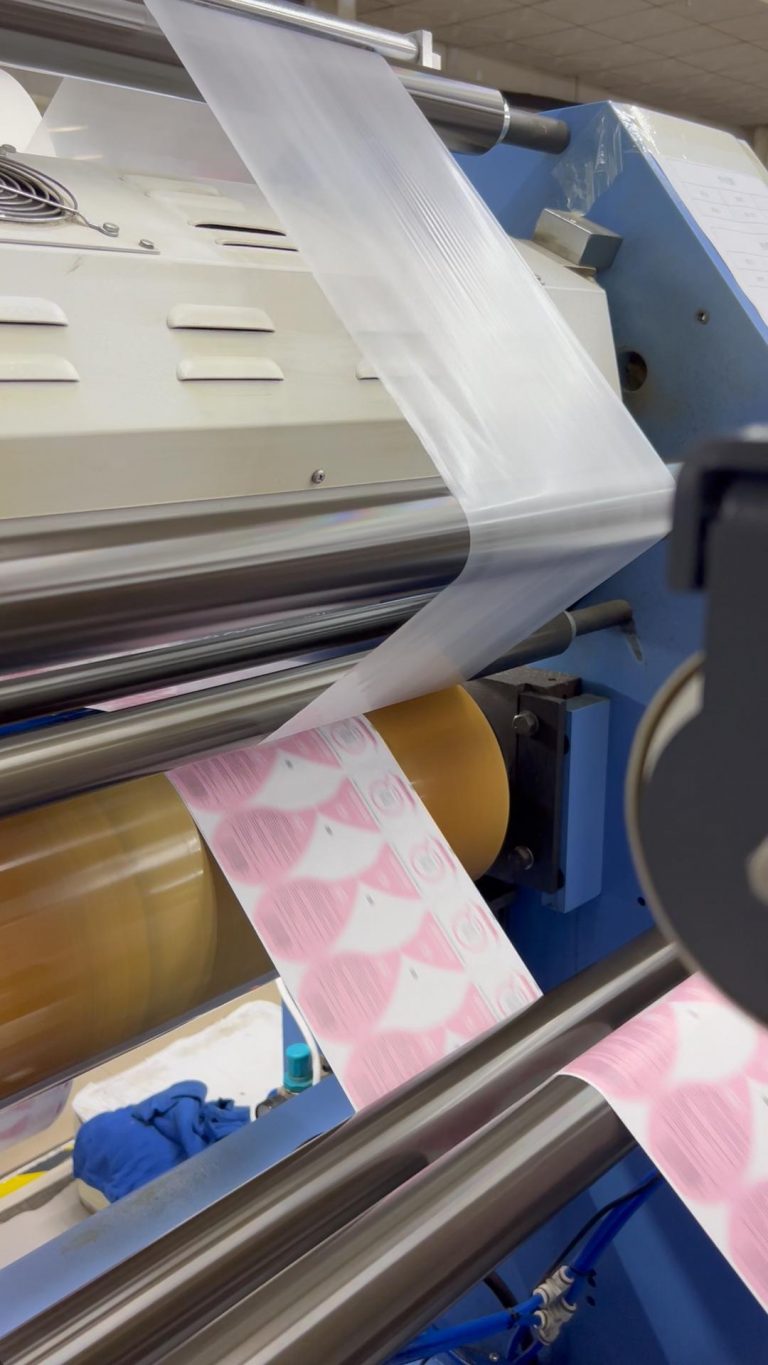
Our 10,000 m² facility includes 6,000 m² of production space, 2,000 m² of warehousing and 2,000 m² of offices. Production combines printing, converting and inspection around the approved job specification.
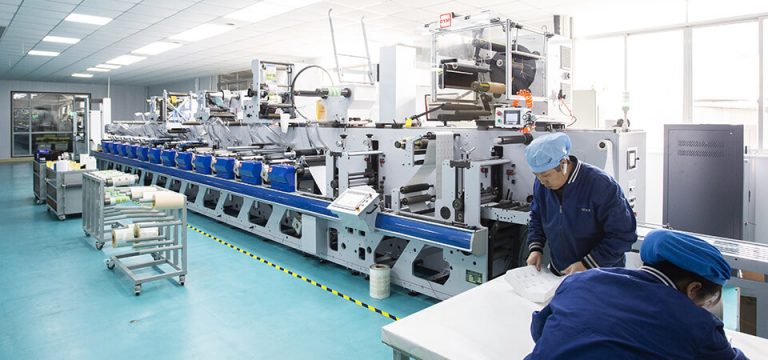
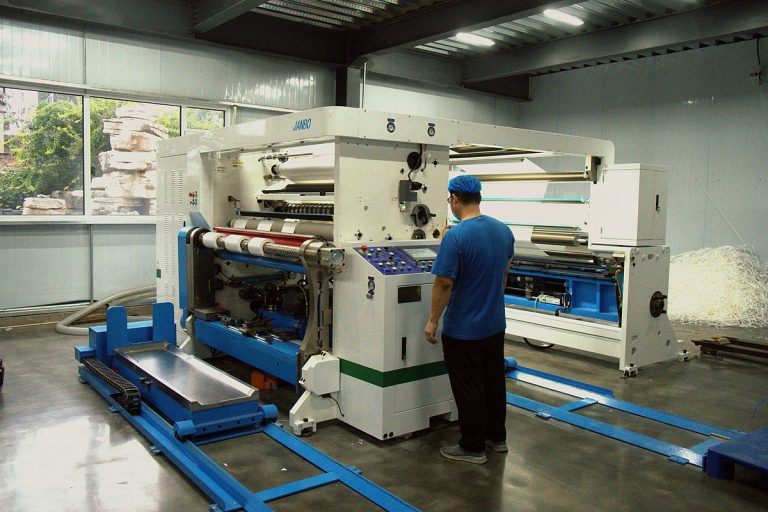
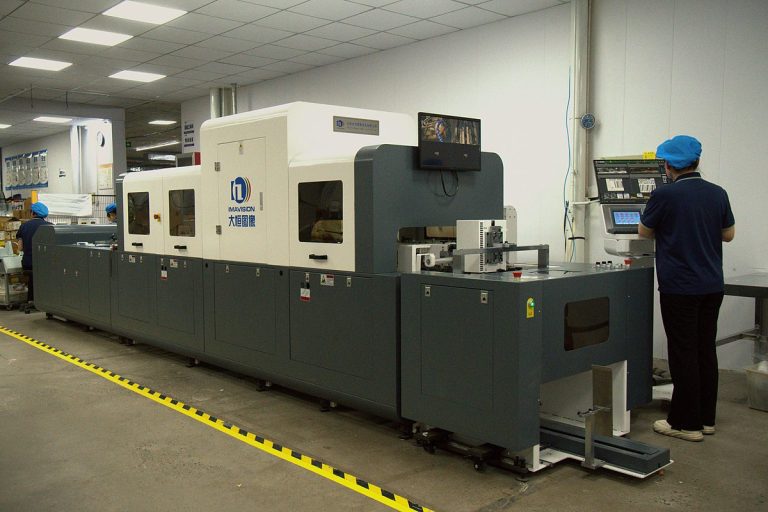
Digital printing includes CMYK + white on the LabStar 330mini with a 322 mm web. Our screen-printing equipment includes two presses, with one currently in use. Available machine width and finishing combinations are checked against the selected route.
Capabilities overview → Production equipment → Printing methods → Converting details → Quality & testing →
Turn Your Idea Into a Label Specification
Send the label size, quantity per design, artwork, container or receiving surface, and the effect you want. For multilayer work, add artwork for each face, a layer sketch, opening direction and resealing requirements. For rolls, include the core, diameter and unwind direction.
Artwork preparation guide · Compare materials · Browse by industry